
Match Me Quiz
Find the best apprenticeship programme for you using our Match Me quiz

Applications are now open!
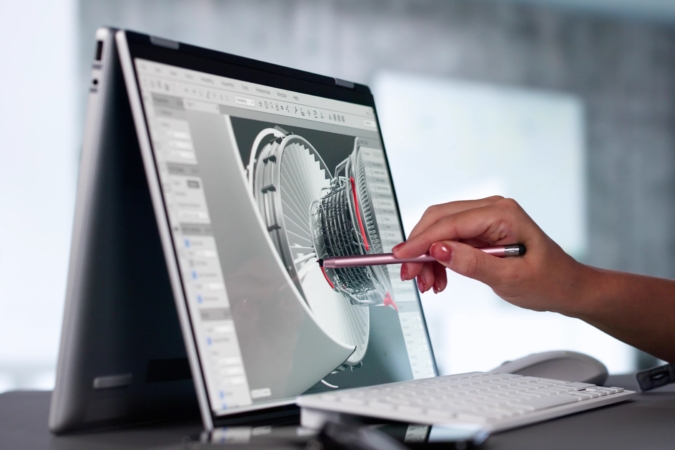
As a Mechanical Design Engineering Degree Apprentice, you’ll develop the skills, knowledge and behaviours needed to become a Mechanical Design Engineer at AWE. You’ll combine degree study, placements and practical work experience.
This role goes beyond traditional office-based design. You’ll apply mechanical engineering principles to solve complex technical challenges, create safe and effective design solutions, and help support important equipment and systems throughout their working life.
THE QUALIFICATIONS YOU’LL NEED
Five GCSEs at grade 4/C or above, including Maths, English and a science, technology or engineering-related subject.
A Level grade C or above in both a Maths-based subject and a science, technology, engineering or additional Maths-related subject, or 90+ credits in an Engineering BTEC at Level 3.
You must be a British National and aged 18 or over by 31 August 2027 due to the security requirements of the role.
Your primary place of work will be AWE Aldermaston and/or AWE Burghfield in the Reading area, depending on your apprenticeship pathway, placements and business needs.
Due to the nature of our work and security requirements, you should expect to work on-site during your apprenticeship and in your role afterwards. Being on-site will help you learn directly from experienced specialists, access hands-on support and build connections across the business.
At AWE, we operate on a nine-day fortnight, meaning you get every other Friday off work in addition to 270 hours of annual leave, inclusive of Bank Holidays.
SKILLS TO DEMONSTRATE
• Interest in mechanical engineering and design
• Confidence using maths to solve problems
• Logical thinking and careful analysis
• Ability to spot patterns or issues
• Care and attention to detail
• Teamwork and clear communication
• Willingness to learn from feedback
• Commitment to safety, rules and standards
You’ll learn from experienced engineers and technical specialists while contributing to real projects. You’ll develop design solutions from customer and business requirements, understand how designs are developed and checked, and learn how engineering work is supported throughout its life.
As you progress, you may use tools and techniques such as:
• CAD software and technical drawings
• Industry drawing standards
• Engineering analysis
• Manufacturing processes
• Evidence that demonstrates a design is safe and suitable
• Clear engineering documentation and project planning


You enjoy understanding how machines, parts and mechanical systems work. You like designing, improving or fixing things, finding out why something has not worked as expected, and solving practical problems using logic and creativity.
You may enjoy reading, creating or checking technical drawings and using information or test results to understand performance. You’re motivated by contributing to important projects where careful engineering decisions make a real difference.